

What a positioning statement is
A positioning statement is a description of your product, a brief overview of the target audience for this product, and a quick explanation of the marketing needs this product fills. Here are the four components of positioning statement:
- Audience: Who is the target audience for your product?
- Category: What category does your product belong to/what type of product do you offer?
- Benefit: What is the primary benefit your product offers?
- Difference: How is the way your product satisfies a particular need different from similar products?
Developing an effective positioning statement can be difficult. But, remembering the four components of a positioning statement and going over the positioning statement examples seen in this guide will make it easier for you to develop an effective positioning statement for your product.
The standard positioning statement formula
Here is a brand positioning statement template for the standard positioning statement formula:
To [target audience], [Brand X] is the only [category or frame of reference] that [point of differentiation] because [reasons to believe this claim]
You can name your target audience in the first bracket, the name of your brand in the second bracket, and the category your software belongs to in the third bracket.
For the fourth bracket, you can highlight what sets your software apart from others. For the fifth bracket, you can go over why potential buyers should believe the claims named within your positioning statement.
Here is something to keep in mind: many of the positioning statement examples seen in this guide do not follow the positioning statement formula or that positioning statement template. Some positioning statements are a lot longer or a lot less specific. It depends on your product’s marketing direction and the best way to sell this product.
Many of the published positioning statement “examples” are marketing taglines. They are not positioning statements. The main difference between a positioning statement and a marketing tagline is as follows:
- A marketing tagline is for creating a memorable impression of a brand and developing an emotional connection with potential buyers.
- A positioning statement is for articulating the audience, category, and primary benefit of a particular product, while also highlighting what sets this product apart from others.
Positioning statement examples from B2B SaaS companies
Example 01: Parse.ly
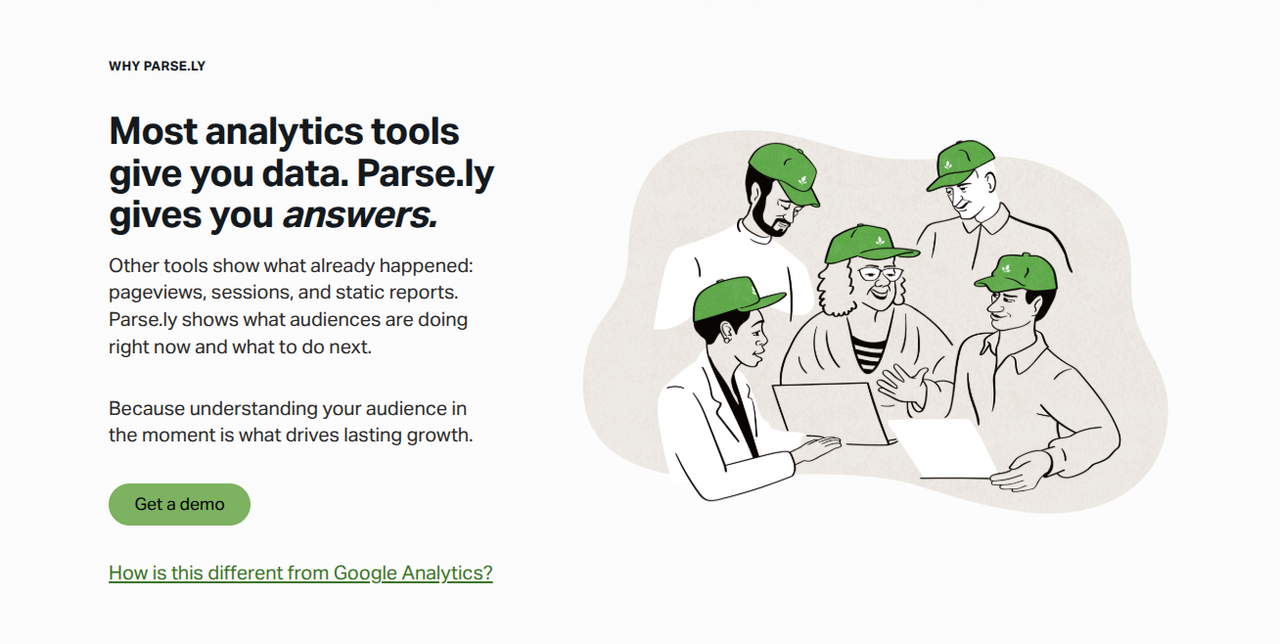
Here is Parse.ly’s positioning statement:
Most analytics tools give you data. Parse.ly gives you answers. Other tools show what already happened: pageviews, sessions, and static reports. Parse.ly shows what audiences are doing right now and what to do next. Because understanding your audience in the moment is what drives lasting growth.
Parse.ly is an analytics tool that helps creators, of all sorts, understand two things: their analytics and what they should do with the information presented within their analytics.
This is what Parse.ly’s positioning statement does well:
- The positioning statement gives you a clear overview of what sets their product apart from others: they give you analytics and a path forward.
- The positioning statement tells you what category their product belongs to: they are an analytics tool for those who want to grow their audience.
- The positioning statement gives you a clear overview of the primary benefit it offers: they tell you what audiences are doing right now and what you should do next to grow your audience.
Example 02: Datadog
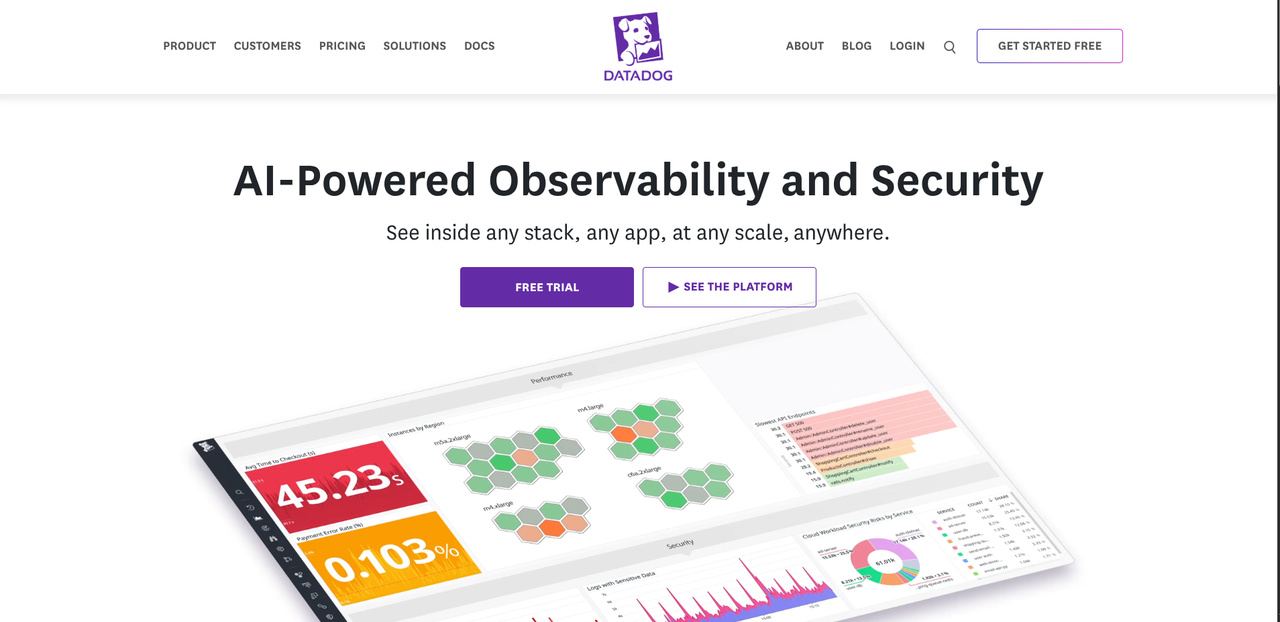
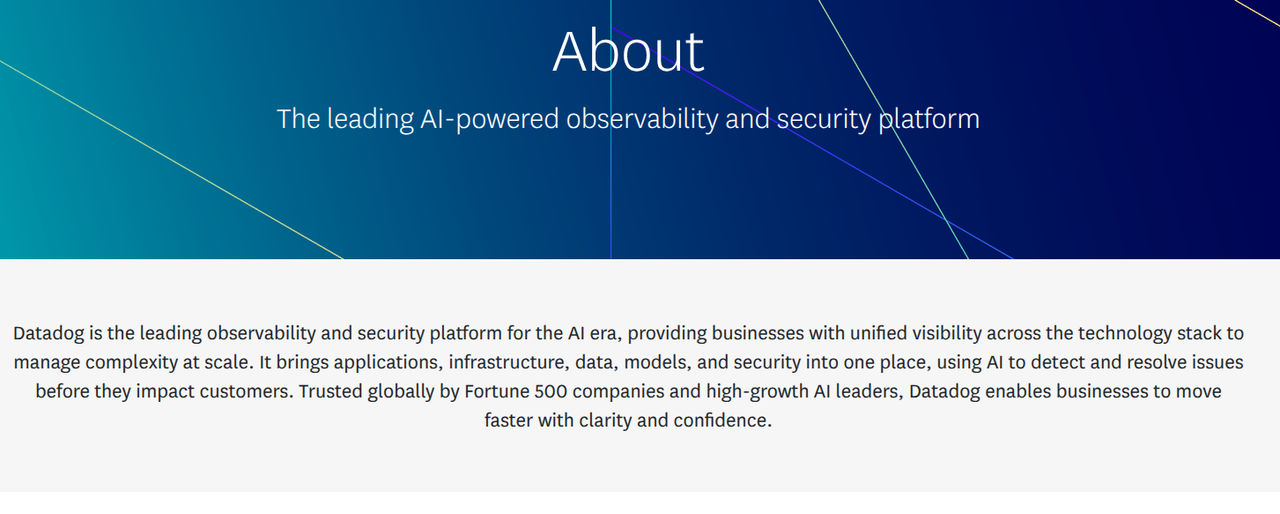
Here is Datadog’s positioning statement:
Datadog is the leading observability and security platform for the AI era, providing businesses with unified visibility across the technology stack to manage complexity at scale. It brings applications, infrastructure, data, models, and security into one place, using AI to detect and resolve issues before they impact customers. Trusted globally by Fortune 500 companies and high-growth AI leaders, Datadog enables businesses to move faster with clarity and confidence.
Datadog’s audience is businesses that need a reliable, and thorough, observability and security platform that works across their entire technology stack.
This is what Datadog’s positioning statement does well:
- Audience clarity: reading Datadog’s positioning statement tells you that their product is for businesses that need an observability/security platform.
- What they do: reading Datadog’s positioning statement tells you that they bring applications, infrastructure, data, models, and security into one place while using AI to detect/resolve security issues.
- The difference: reading Datadog’s positioning statement tells you that their business is trusted globally by Fortune 500 companies and high-growth AI leaders, which sets them apart from other companies.
Example 03: Slack
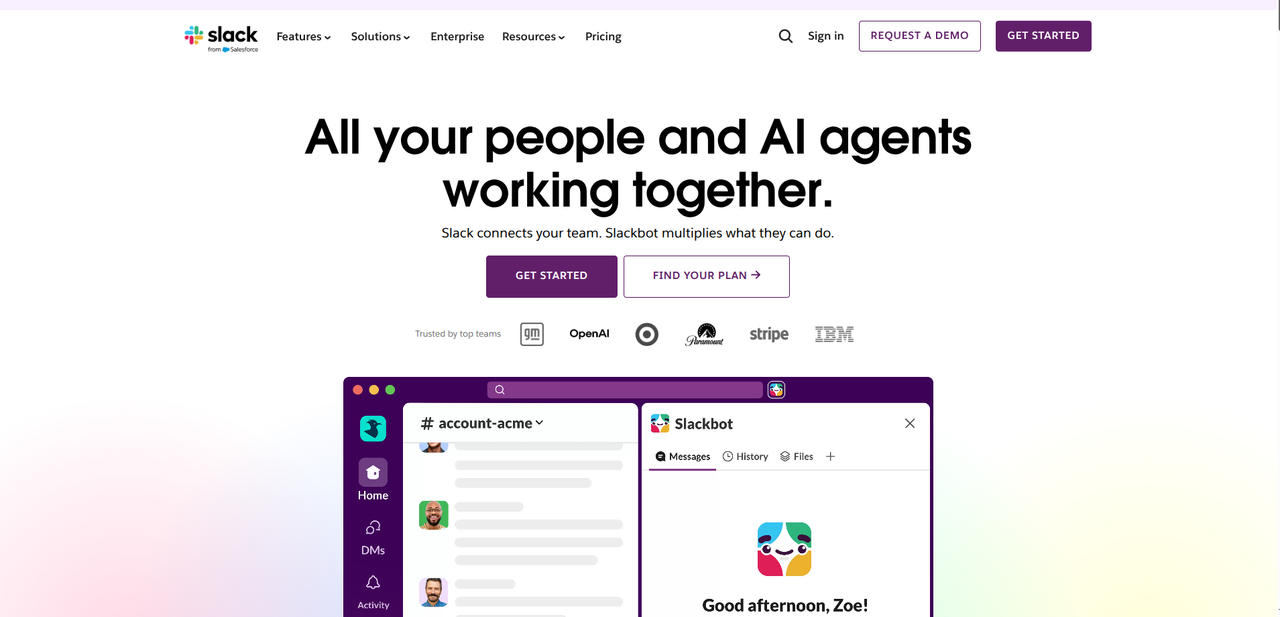
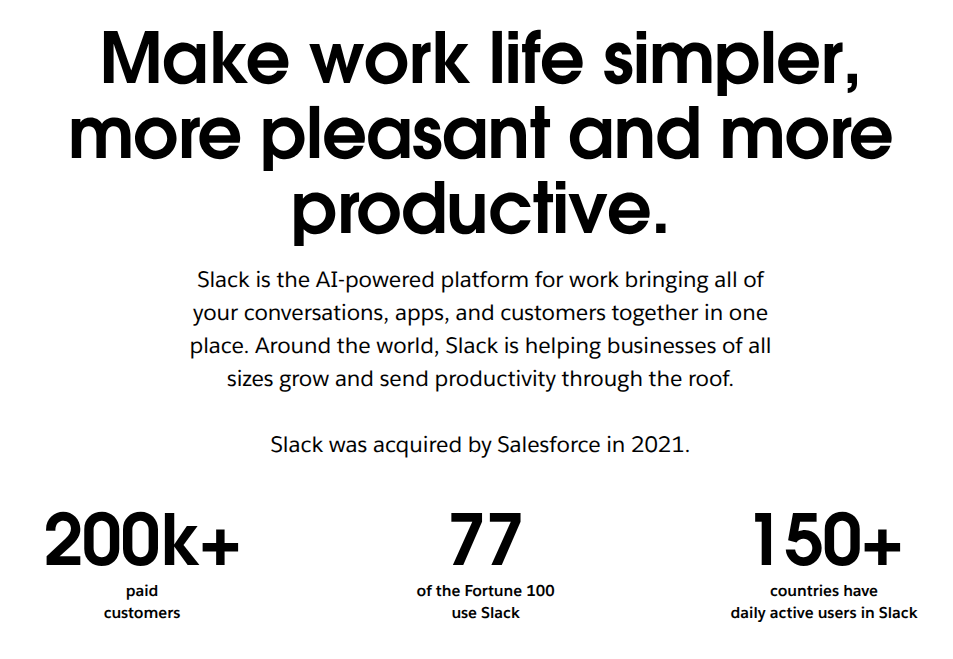
Here is Slack’s positioning statement:
Make work life simpler, more pleasant, and more productive.
Slack is the AI-powered platform for work bringing all of your conversations, apps, and customers together in one place. Around the world, Slack is helping businesses of all sizes grow and send productivity through the roof.
Slack was acquired by Salesforce in 2021.
200k+ paid customers. 77 of the Fortune 100 use Slack. 150+ countries have daily active users in Slack.
Slack is for businesses, executives, contractors, and employees that need a safe, reliable, and all-in-one platform to communicate with one another.
The following is what Slack’s positioning statement gets right:
- Clarifying the primary benefit: Slack’s positioning statement tells you that it brings conversations, apps, and customers together in one place which makes work life simpler, more pleasant, and more productive.
- Clarifying the difference: Slack’s positioning statement uses statistics to highlight their value and that they have been widely adopted far more than other software tools. These are B2B value proposition examples.
- Clarifying the category: Slack’s positioning statement tells you that it is for businesses of all sizes who want to grow and send their productivity “through the roof.”
Example 04: Gong
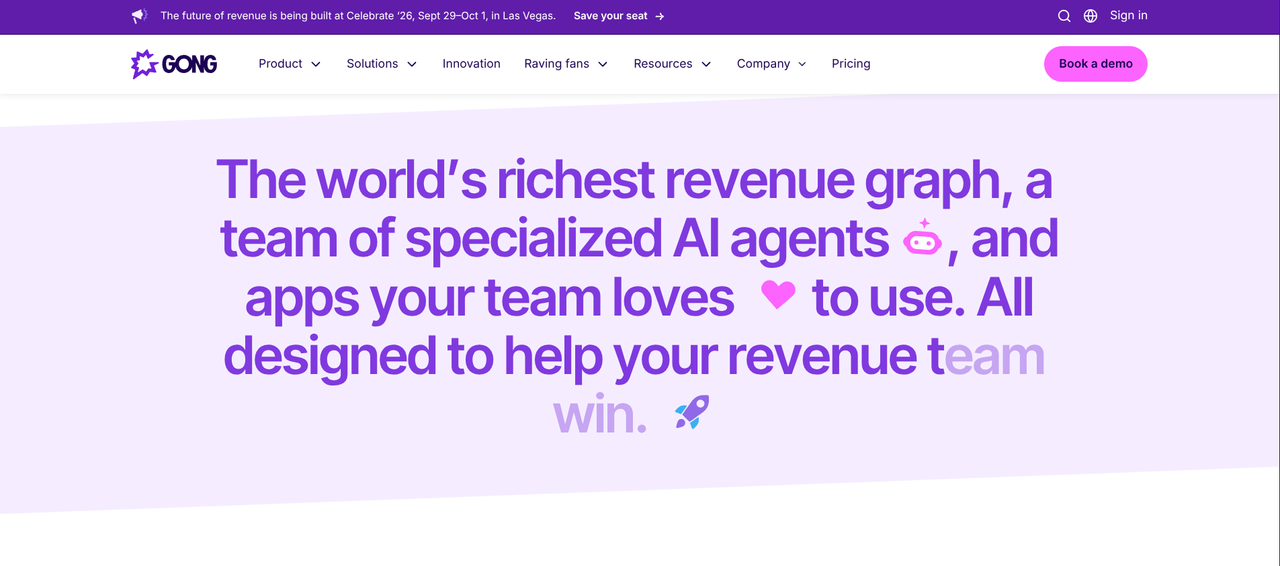
Here is Gong’s positioning statement:
The world’s richest revenue graph, a team of specialized AI agents, and apps your team loves to use. All designed to help your revenue team win.
Gong is a software tool that uses a revenue graph, AI agents, and specialized apps to help revenue teams achieve their goals.
Here is what Gong’s positioning statement gets right:
- Tells you the audience for their software and what the software is: revenue teams who need a revenue graph, AI agents, and apps.
- Tells you what sets their software apart from other revenue tools: it has the world’s richest revenue graph, alongside specialized AI agents and apps.
- Tells you some of the benefits their software offers: the world’s richest revenue graph, specialized AI agents, and apps that will help your revenue team.
Example 05: Credgenics
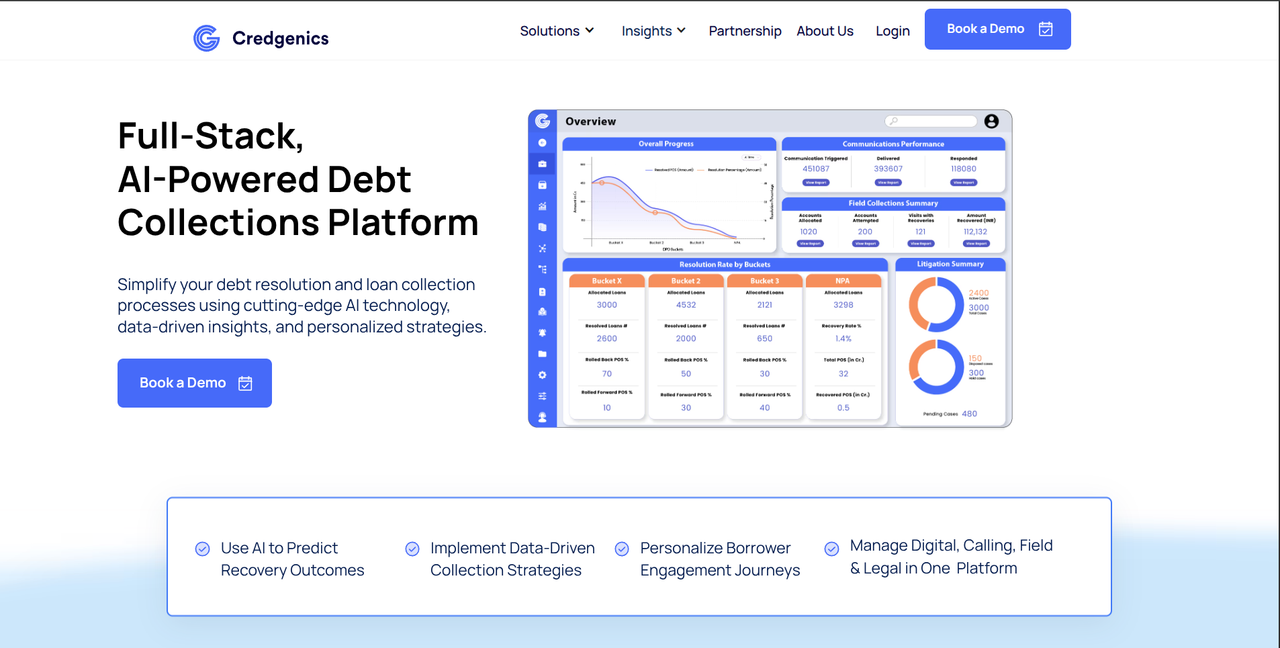
Here is Credgenics’ positioning statement:
Full-stack, AI-powered debt collections platform.
Simplify your debt resolution and loan collection processes using cutting-edge AI technology, data driven insights, and personalized strategies.
The platform Credgenics offers is for businesses that work in the debt collections industry and are in need of something that will simplify their processes.
Here is what Credgenics’ positioning statements gets right:
- The category and audience is clear: Credgenics is an AI powered debt collections platform for people who work in debt collections.
- The primary benefit is clear: Credgenics simplifies debt resolution processes.
- The difference is clear: Credgenics uses cutting-edge AI technology, data-driven insights, and personalized strategies to simplify debt collections.
Example 06: Hakimo.AI
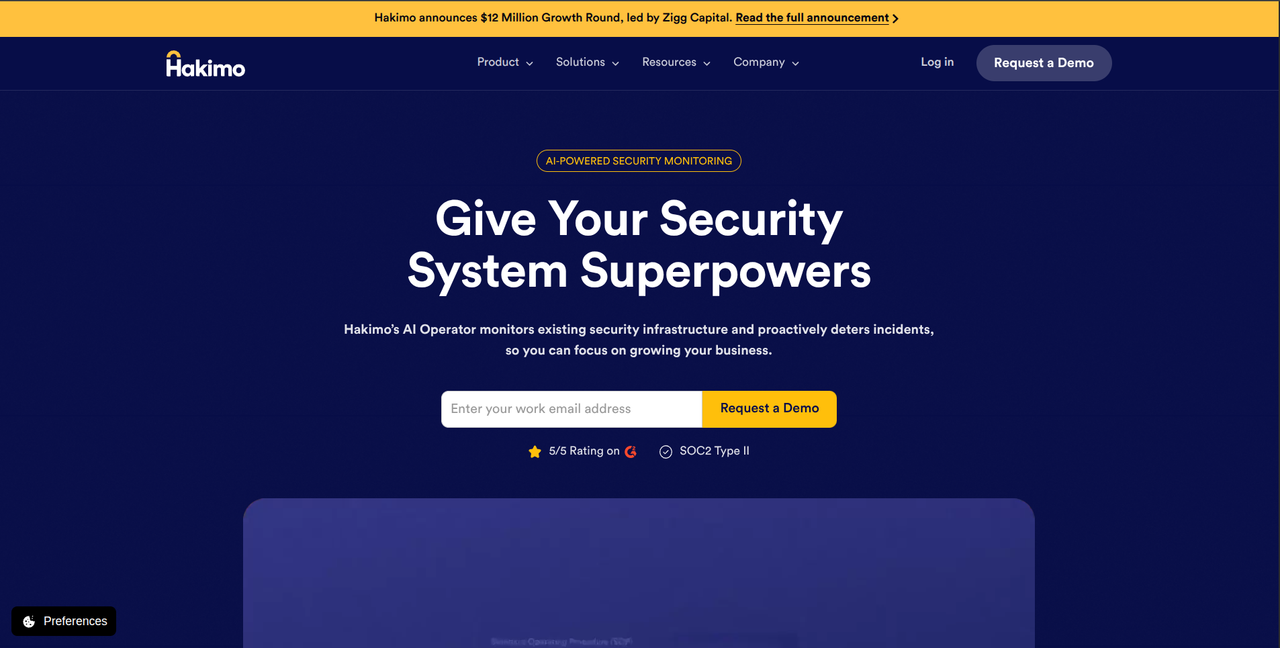
Here is Hakimo.AI’s positioning statement:
Give your security system superpowers.
Hakimo’s AI Operator monitors existing security infrastructure and proactively deters incidents, so you can focus on growing your business.
Businesses of many different sizes, and in a wide variety of industries, rely on Hakimo’s AI software to strengthen/improve their current security operations.
The following is what Hakimo.AI’s positioning statement gets right:
- Clarifies the benefit: reading this positioning statement tells you that Hakimo’s AI software monitors your existing security infrastructure and proactively deters incidents.
- Clarifies the audience: reading this positioning statement tells you that Hakimo’s AI software is for people who want to focus on growing their business, instead of worrying about security.
Example 07: SPRY
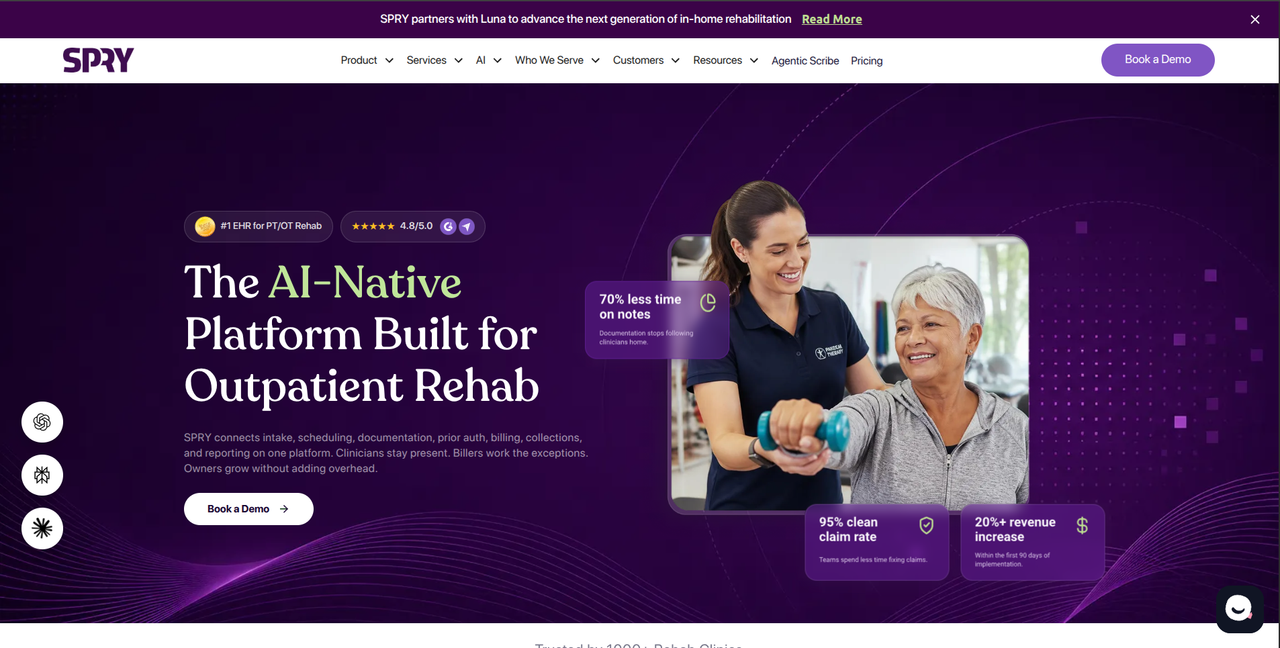
Here is SPRY’s positioning statement:
The AI-native platform built for outpatient rehab.
SPRY connects intake, scheduling, documentation, prior auth, billing, collections, and reporting on one platform. Clinicians stay present. Billers work the exceptions. Owners grow without adding overhead.
SPRY is for outpatient rehab owners/managers that want to streamline the major facets of running an outpatient rehab.
This is what SPRY’s positioning statement gets right:
- SPRY’s positioning statement tells you who it is for: outpatient rehab owners/managers that want to grow their clinic without adding overhead.
- SPRY’s positioning statement clarifies the major benefit: it lets users manage the different components of an outpatient rehab clinic using just one platform.
Example 08: Truckbase
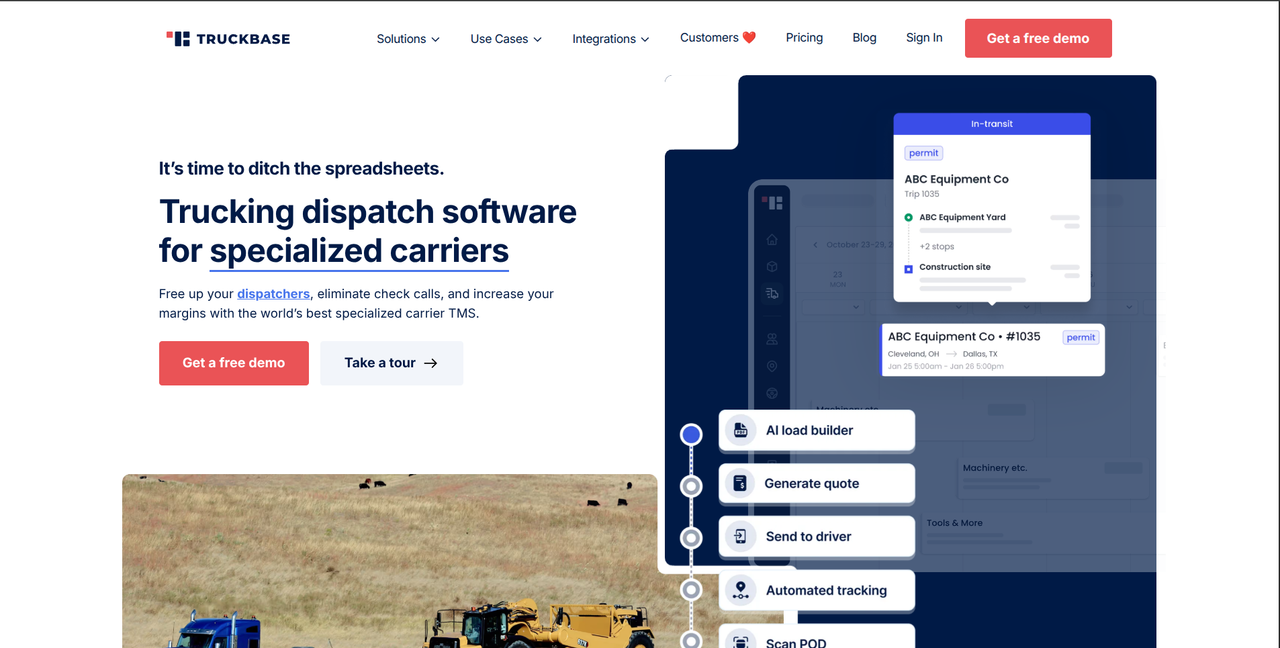
Here is Truckbase’s positioning statement:
It’s time to ditch the spreadsheets.
Trucking dispatch software for specialized carriers.
Free up your dispatchers, eliminate checkcalls, and increase your margins with the world’s best specialized carrier TMS.
Specialized carriers can use Truckbase to automate spreadsheet production using Truckbase’s TMS. The term “TMS” refers to “Transportation Management System.”
This is what Truckbase’s positioning statement does well:
- Truckbase’s positioning statement tells you what it is and who it is for: it is a piece of trucking dispatch software for specialized carriers.
- Truckbase’s positioning statement tells you the benefits it offers: owners can free up their dispatchers, eliminate checkcalls, and increase their margins.
Example 09: Gusto
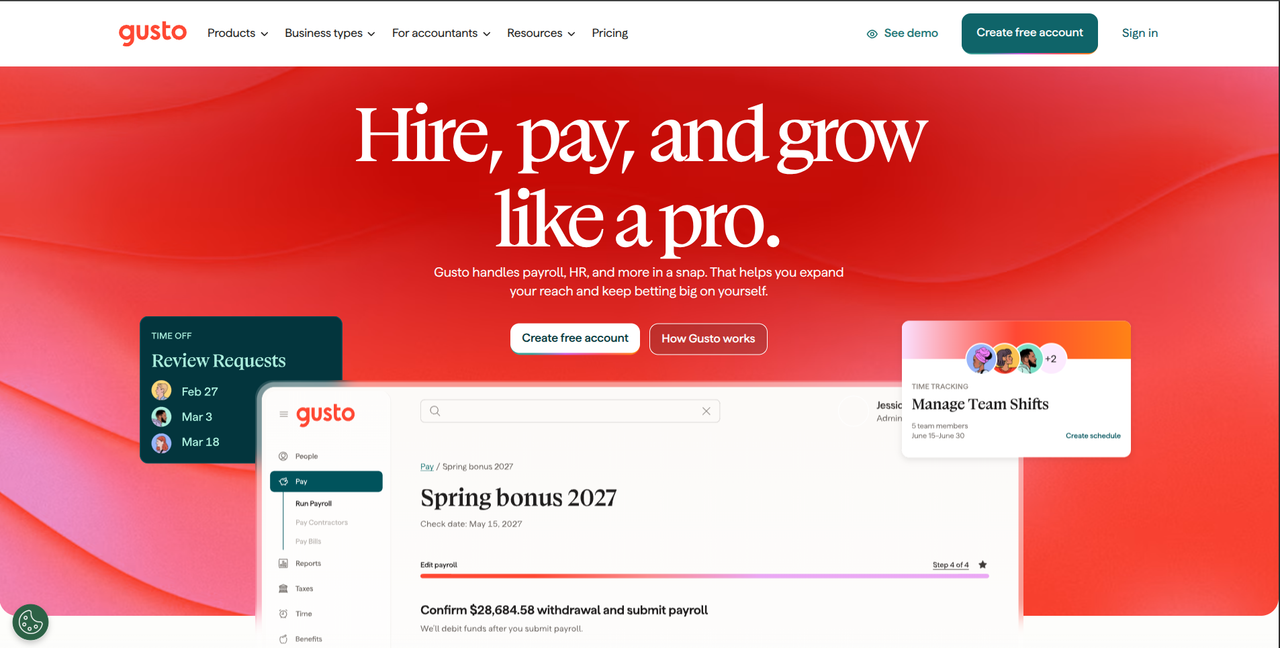
Here is Gusto’s positioning statement:
Hire, pay, and grow like a pro.
Gusto handles payroll, HR, and more in a snap. That helps you expand your reach and keep betting big on yourself.
Businesses use Gusto to handle payroll, as well as some of the functions associated with HR.
This is what Gusto’s positioning statement does well:
- Gusto’s positioning statement tells you the benefits of its software: Gusto handles payroll, HR, and more, with ease.
- Gusto’s positioning statement tells you the type of product they offer: Gusto is a tool that handles payroll and HR, as well as other, related, business functions.
Patterns across the strongest positioning statement examples
Out of all the positioning statement examples from the prior section, the best ones are from the following companies:
Here is what these positioning statements share:
- A claim that you can look into: the best positioning statements articulate their value by using statistics or making claims about their features. You can look into these claims to see if they are accurate.
- A specific audience: the best positioning statements highlight a specific audience with specific needs and, within the statement, clarify the primary benefit they offer this audience.
- A brief overview of what their product does: the best positioning statements give you a brief overview of what their product does and the overall benefits of that particular function.
Each one of these elements is a pattern that you can, and should, use when developing your positioning statement.
How to write yours before a website redesign
Here are the inputs you should use to write a positioning statement before redesigning your website:
- A deep understanding of your audience and their needs.
- A deep understanding of your business and the product you are selling.
- A deep understanding of the primary benefit your product offers and the need this benefit satisfies.
- A deep understanding of how your product satisfies that need in a way that differs from other products.
- Evidence that supports the value of your product, such as testimonials, studies, and more.
Here is who should be in the room when writing a positioning statement:
- The Product Marketing Manager: They can lead the discussion and write the statement.
- The Sales Leader: They can go over what customers say and the problems they face.
- The Customer Success Representative: They can articulate where customers get the most value.
- The Product Manager: They can confirm what the product does and the features it offers/needs it satisfies.
- The CEO/Founder: They can approve the final statement and connect the statement to the business’ goals.
Finally, here is how a positioning statement becomes the homepage hero:
- Look at your positioning statement and find the biggest benefit your product offers.
- Tell buyers what they get with your product with just four to ten words.
- Develop a subheadline that mentions your target audience and their problem.
- Keep this subheadline to one or two sentences and tell buyers why/how your product solves that problem.
- Place an interactive call-to-action right under your subheadline.
You can click here for our hero section design article and you can click here for our messaging framework.

